
The basis of any authentic Middle Eastern dessert is a masterfully prepared sweet dough. Oriental sweets are distinguished by a crispy and fragile structure with a multi-layered composition. Oily components, chewy consistency, and elastic fibers create a real variety of tastes, which is so popular with fans of sweets around the world. There are many options for making dough, which differ in their features. This allows you to choose the ideal option for preparing specific dishes.
Phyllo and Its Variations
Filo is a popular option for preparing various oriental desserts. It is characterized by thin sheets that create a delicate, crumbly crust. Preparing such a dough requires a certain dexterity and patience, as each layer must be stretched until transparent. Each sheet is generously coated with melted butter. When baked, they exfoliate, creating an airy structure characteristic of oriental sweets. This dough is used to prepare a variety of dishes:
- Classic filo. Usually used for baklava. Dozens of layers are laid out and filled with pistachios, walnuts, or cashews, coated with a special honey syrup.
- Yufka. This dough has a slightly thicker texture, which is used to prepare authentic homemade pastries.
- Malsouka. This dish is cooked in a hot pan. The result is a unique crispy texture that has a denser filling.
The success of the preparation depends on the baker’s skill. The layers of dough easily lose elasticity due to their thinness. That is why they need to be covered with a damp cloth when stored.
The Intricate Threads of Kataifi
Kataifi dough is very different. It looks like very thin strands of vermicelli. The dough is carefully prepared and passed through a special machine with tiny nozzles. The result is many thin strands of dough that can be twisted and stacked, filled with various fillings. They can be sweet or savory depending on the chef’s preferences.
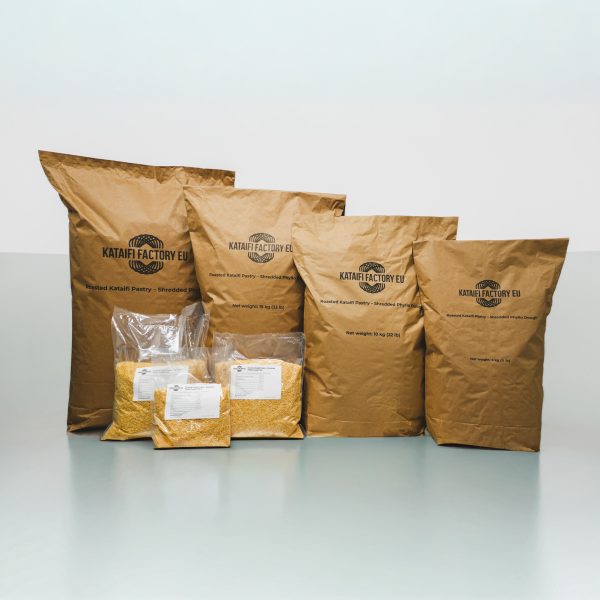
You can learn more about kataifi by visiting the Kataifi Factory website, where it is prepared according to all quality standards. You can read more about cooking technologies and choose blanks that are ideal for preparing a variety of dishes without losing their characteristic texture. A wide range allows you to choose exactly the raw material that suits your cooking style.
Specialized and Cooked Doughs
In addition to thin sheets and threads, other types of dough are used to prepare oriental desserts. Some of them are prepared on the basis of yeast, others consist of semolina or rice flour starch for a more holistic taste. Such dough absorbs various syrups and flavors well, which creates a real space for culinary experiments. Among the main options for dishes from such dough, the following are distinguished:
- Semolina dough. This is the basis for basbousa or revani. The dough has a grainy, moist structure and holds a large amount of sugar syrup without falling apart. Thus, local confectioners create dishes that everyone loves.
- Qatayef butter. Fermented dough resembles a pancake, which is usually prepared for holidays. It is fried on only one side to create a porous surface that is ideal for creamy fillings.
- Choux-style fried dough. It is used for Tulumba or Lokma. The dough is fried directly in hot oil, which creates a crispy crust. It remains soft inside, where honey is added as a filling.
Such a wide variety of dough dishes creates great opportunities for culinary experiments. Each option requires certain skills and patience in mastering the technique.
Final Considerations for Selection
Choosinhe right dough depends on your preferences and the desired texture of the finished dish. Light kataifi is ideal for preparing light summer desserts. Semolina cake is popular in the cold season. Before cooking, it is important to read the recipe ig tn detail and understand how a particular type of dough absorbs syrup. This is what determines the result and taste of real oriental pastries.
