
Becoming a parent comes with countless adjustments, and feeding your baby is often one of the biggest. Every family’s breastfeeding journey is unique. Some babies latch easily, while others need time and patience. Some mothers nurse exclusively, while others combine breastfeeding with pumping to fit work schedules, family responsibilities, or personal preferences.
There is no single “right” way to feed your baby. Instead, the goal is finding a routine that balances convenience, comfort, and your family’s needs. Modern breastfeeding tools, especially an electric breast pump, have made it easier for mothers to continue providing breast milk without sacrificing flexibility.
In this guide, we’ll explore how to create that balance while maintaining your comfort throughout your nursing journey.
Why Comfort Matters During Breastfeeding
Breastfeeding is often described as natural, but that doesn’t always mean it’s easy. During the first few weeks, many mothers experience nipple soreness, breast fullness, or fatigue as both mom and baby learn together.
Physical comfort plays a major role in maintaining a positive nursing experience. When you’re relaxed, you’re often able to enjoy feeding sessions more and establish a routine that feels sustainable. Creating a comfortable environment may include:
- Using supportive nursing pillows
- Finding comfortable feeding positions
- Staying hydrated
- Wearing well-fitting nursing bras
- Using the right pumping equipment
An uncomfortable pumping experience can discourage consistent milk expression, especially for mothers returning to work or managing busy schedules. Choosing a properly fitted pump with adjustable settings can make daily pumping much more comfortable. Research also shows that electric pumps with adjustable suction and stimulation modes can better mimic a baby’s natural nursing rhythm, improving both comfort and efficiency.
Convenience Makes Breastfeeding More Sustainable
Modern motherhood rarely allows long periods of uninterrupted rest. Whether you’re caring for multiple children, working outside the home, or managing household responsibilities, flexibility becomes essential.
This is where an electric breast pump becomes incredibly valuable.
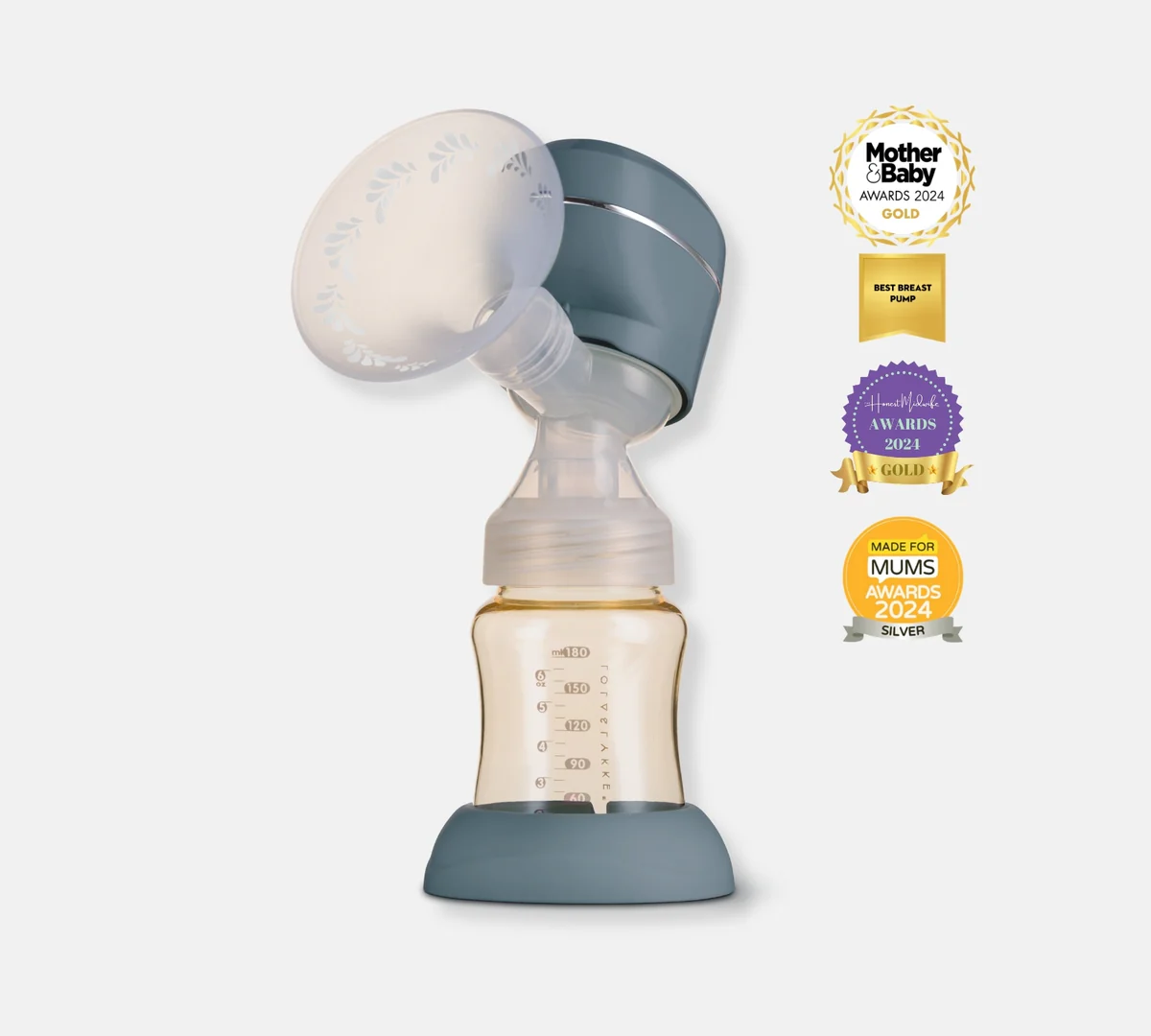
Unlike manual pumps, electric models provide automatic suction that requires less physical effort while often expressing milk more efficiently. Many newer pumps also offer rechargeable batteries, quiet motors, and multiple suction settings that fit different lifestyles.
For many moms, pumping offers several conveniences:
- Build a freezer milk stash
- Allow partners or family members to help with feedings
- Continue breastfeeding after returning to work
- Reduce stress when away from baby
- Maintain milk supply during busy days
If you’re looking for reliable good breast pumps that combine efficiency with comfort, exploring quality options designed for different lifestyles can make a significant difference. Choosing from a range of good breast pumps allows you to find one that fits your daily routine.
Finding the Right Breast Pump
Not every breast pump is the same, and selecting one depends on your individual needs.
Questions to consider include:
- Will you pump occasionally or several times every day?
- Do you need portability?
- Will you travel frequently?
- Is quiet operation important?
- Do you need double pumping for time savings?
For mothers who pump regularly, investing in a quality breast pump with adjustable suction levels, soft silicone flanges, and rechargeable functionality can make everyday pumping much easier.
Comfort should always remain one of the top priorities when making your decision—not just speed.
Understanding Changes in Your Body
Many mothers worry about how breastfeeding affects their bodies, particularly their boobs after nursing.
It’s common to notice changes such as:
- Softer breast tissue
- Temporary fullness or emptiness throughout the day
- Slight differences in breast size
- Changes in nipple appearance
These changes are normal and result from pregnancy, milk production, hormones, genetics, and aging—not simply breastfeeding alone.
Once breastfeeding gradually ends, breasts continue adjusting for several months as milk production decreases. Every mother’s body responds differently, and there’s no “correct” appearance after nursing.
Supporting breast health with well-fitting bras, gradual weaning, and maintaining overall wellness can help make this transition more comfortable.
Balancing Pumping and Direct Nursing
Many mothers discover that combining direct breastfeeding with pumping provides the best balance.
For example:
Morning:
- Nurse your baby directly.
During work:
- Pump every few hours to maintain supply.
Evening:
- Nurse again for comfort and bonding.
Night:
- Feed according to your baby’s needs.
This combination allows mothers to continue providing breast milk while offering flexibility for changing schedules.
Remember, pumping isn’t meant to replace the emotional connection of nursing—it simply supports your feeding goals.

Taking Care of Yourself Matters Too
It’s easy for mothers to focus entirely on their babies while forgetting their own needs.
However, your comfort directly affects your breastfeeding experience.
Simple self-care habits include:
- Eating balanced meals
- Drinking enough water
- Resting whenever possible
- Asking for help from family members
- Stretching your shoulders and back after pumping
- Cleaning pump parts thoroughly after each use
Small routines like these can make daily nursing feel far more manageable.
Every Breastfeeding Journey Looks Different
One of the biggest misconceptions surrounding breastfeeding is that every mother should follow the same routine.
Some exclusively nurse.
Others exclusively pump.
Many combine both.
All of these approaches can support a healthy breastfeeding journey when they meet the needs of both mother and baby.
Comparing your experience to someone else’s often creates unnecessary pressure. Instead, focus on building a routine that works for your family, your schedule, and your comfort level.
The Real Balance Between Convenience and Comfort
Breastfeeding isn’t about choosing between convenience and comfort—they can work together.
The right support system, realistic expectations, and reliable equipment allow mothers to continue breastfeeding without feeling overwhelmed. Whether you’re pumping at work, nursing during quiet evenings, or doing a little of both, your feeding routine should support your well-being as much as your baby’s.
An efficient electric breast pump, comfortable pumping accessories, and realistic daily routines can help reduce stress while making breastfeeding more sustainable over the long term.
At the end of the day, successful nursing isn’t measured by perfection. It’s measured by finding a rhythm that helps both you and your baby thrive.
