
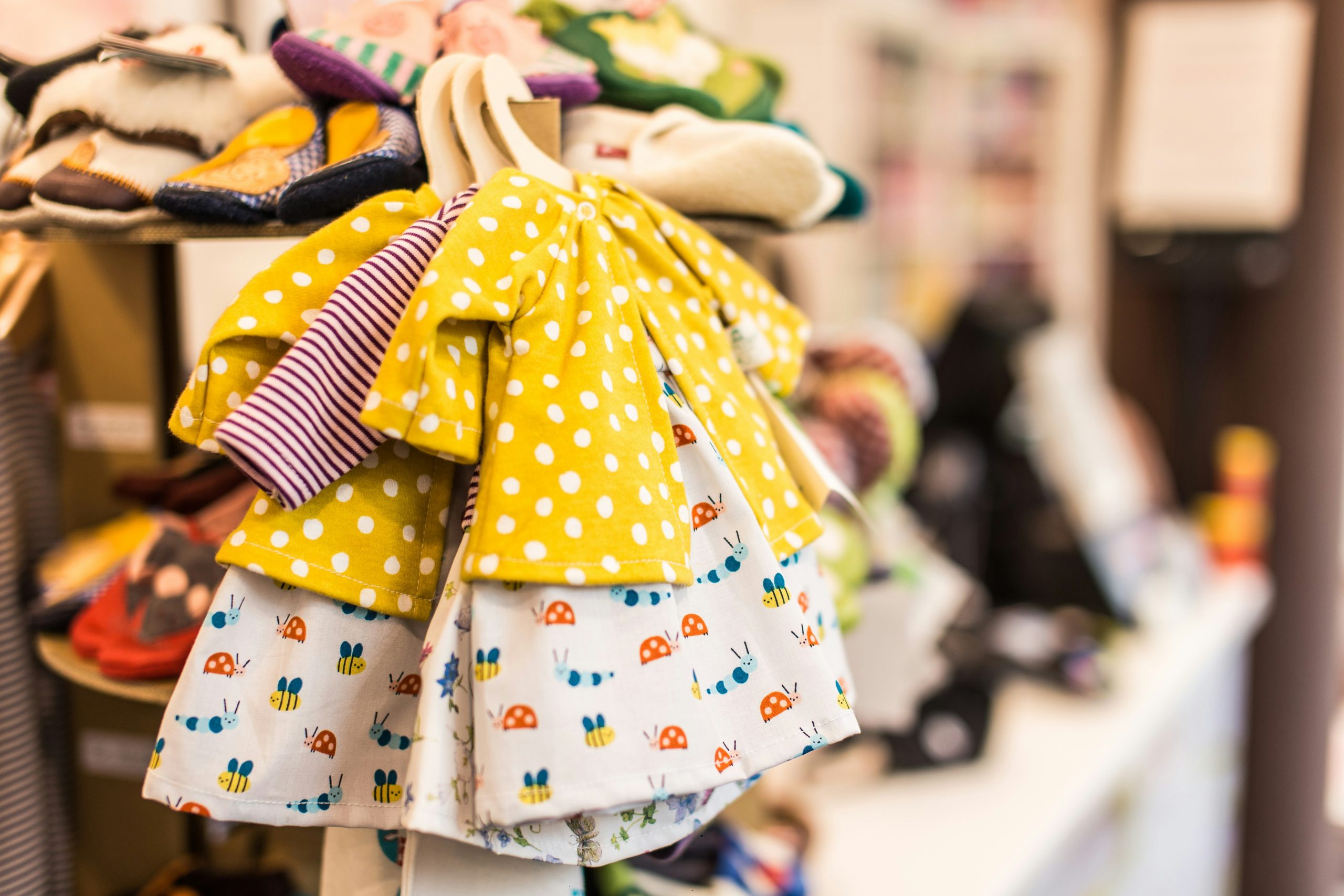
As a new parent, your shopping list can feel endless. From cots to car seats, the costs add up quickly. But when it comes to dressing your little one, more and more people are choosing options that are not only good for your baby but also kind to the planet and your wallet. Building a sustainable wardrobe for your baby is easier than you might think, and it all starts with a few thoughtful decisions.
The Rise of Eco-Conscious Parenting
Many parents are now looking for ways to lessen their environmental impact. This shift affects everything from nappies to nursery furniture, and clothes are no different. The fast-fashion cycle of buying, wearing, and discarding just doesn’t sit right with families who want to create a better future for their children.
This has sparked more interest in where baby clothes come from, what they’re made of, and what happens to them once they’re outgrown. Being an eco-conscious parent is about making small, meaningful changes. Choosing sustainable clothing is a practical first step. It means focusing on quality over quantity and considering a garment’s entire journey, from its making to its eventual disposal.
Why Sustainable Fabrics Matter
A baby’s skin is incredibly delicate and more absorbent than an adult’s, making it sensitive to harsh chemicals and synthetic materials. Regular cotton, for example, is often grown with heavy pesticide use. Sustainable fabrics offer a gentler, safer option.
Materials like organic cotton, linen, and hemp are grown without harmful chemicals, which is better for your baby’s skin and the environment. Another great choice is bamboo baby clothing, known for being incredibly soft, breathable, and hypoallergenic. These natural fibres are comfortable for your little one and are produced in a way that respects the planet’s resources, often using less water and promoting healthier soil.
Reducing Waste with Baby Clothes
Babies grow at an astonishing rate, meaning they outgrow clothes very quickly. This can lead to a lot of waste, as tiny outfits are often worn only a few times before they’re too small. Dealing with this is key to building a sustainable wardrobe.
One of the best approaches is to embrace the pre-loved market. Buying second-hand clothes is a brilliant way to give items a new life and save money. You can find fantastic deals at charity shops, online marketplaces, and local parent groups. Similarly, when your baby outgrows their clothes, passing them on to friends and family or donating them ensures they don’t end up in a landfill. This circular approach helps reduce the huge textile waste from children’s clothing and makes parenting a little more sustainable.
Long-Term Savings on Quality Items
Sustainable and ethically made baby clothes can sometimes cost more, which might seem odd for parents on a budget. However, it helps to think of these purchases as an investment rather than just an expense.
Higher-quality garments are made to last. They stand up to more washes, resist shrinking, and keep their shape and colour for longer. A well-made sleepsuit can be passed down to a younger sibling or sold, keeping some of its value. If you’re exploring ways to cut the cost of baby clothes, consider buying only what your baby is likely to wear regularly and choosing pieces that can be worn in different outfits. This approach helps prevent unnecessary spending while keeping their wardrobe practical.
Choosing sustainable options for your baby’s wardrobe is a simple way to care for your child and the planet. Focusing on quality fabrics and mindful consumption helps you create a collection of clothes that is both beautiful and responsible.
