
Decorating a child’s bedroom can become expensive quickly, especially when their favorite colors, characters, and hobbies change every few years. The better approach is to spend money on the parts of the room that need to last and use lower-cost details to add personality.
A good budget bedroom should be safe, practical, and easy to update. Neutral furniture, flexible storage, homemade artwork, family photos, and a few carefully chosen decorative pieces can make the room feel personal without requiring a complete makeover.
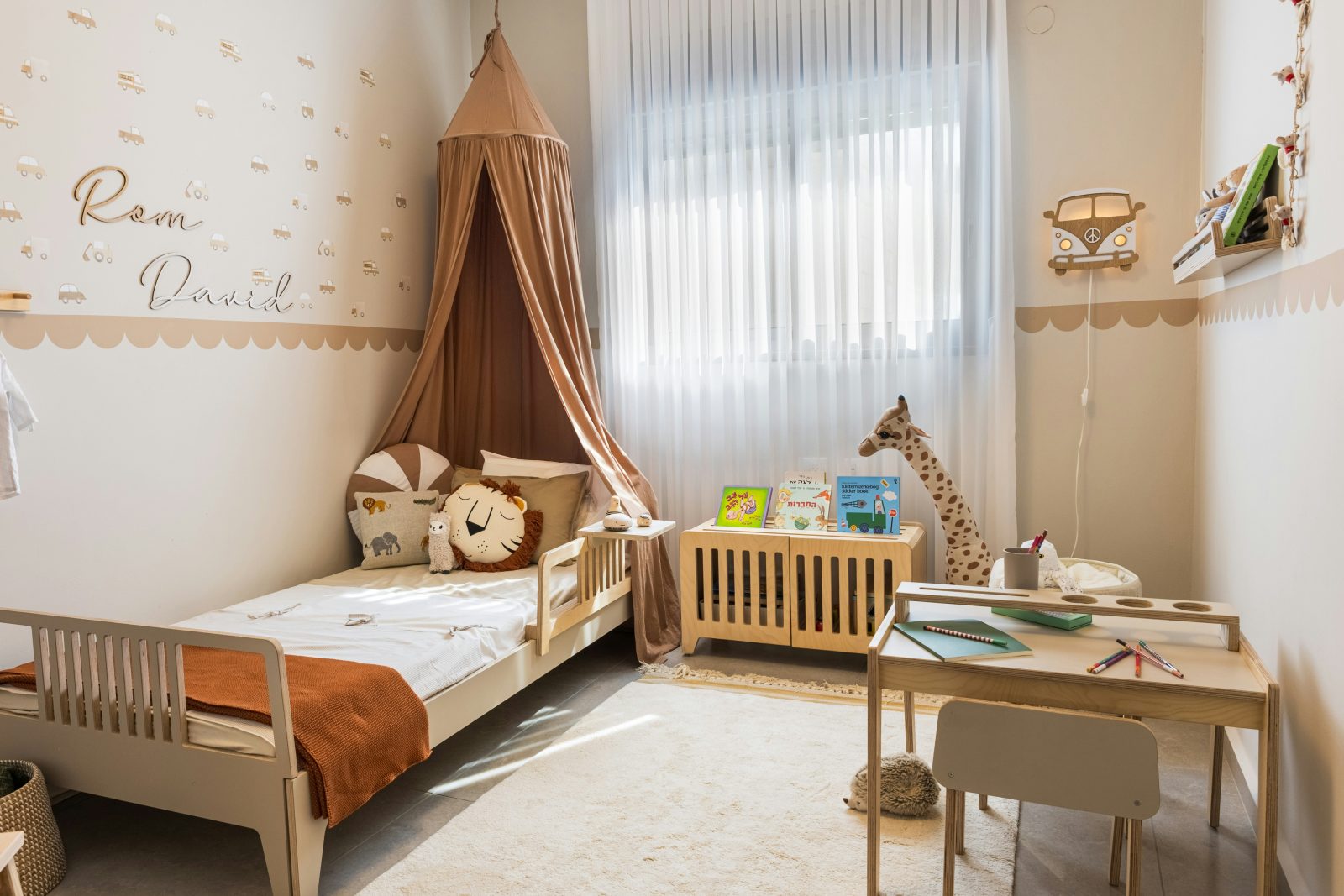
Set a Budget Before Buying Anything
Start by deciding how much you can realistically spend, then divide the budget between essentials and decoration. Furniture, storage, lighting, and safety equipment should come before purely visual upgrades.
It helps to make a simple priority list:
- Items that must be replaced
- Items that can be repaired or reused
- Decorative upgrades
- Optional purchases if money remains
Measure the room before shopping as well. Buying a cheap shelf or dresser that does not fit properly is not a saving if you need to replace it later.
Use Family Memories as Decoration
Personal photos can add more meaning to a child’s room than generic prints bought simply to fill a wall.
Choose images from birthdays, vacations, family days out, school milestones, or favorite everyday moments. Instead of covering every wall with framed photographs, group them into one display area or rotate them as your child gets older.
Another option is creating personalized photo books that can sit on a low shelf, bedside table, or reading nook. A book built around family trips, early childhood memories, or yearly highlights becomes both decoration and something the child can actually look through.
Keeping photos in book form also makes it easy to update the collection without buying new frames or rearranging the wall every year.
Keep the Expensive Parts Neutral
Beds, dressers, wardrobes, and larger storage units usually cost more than bedding or wall decorations, so avoid choosing expensive furniture around a short-lived theme.
White, natural wood, gray, or other simple finishes can work through several stages of childhood. The room can then change through less expensive elements such as bedding, lampshades, cushions, artwork, and storage baskets.
This is particularly useful when a child suddenly decides that the theme they loved two years ago is now “too babyish.”
Change Color With Paint, Not Furniture
Paint is one of the least expensive ways to make a room feel different.
Instead of repainting all four walls, consider one accent wall, a painted arch behind the bed, or a block of color around a desk or reading area. Smaller painted sections use less material and are easier to change later.
For children’s rooms, washable interior paint can be useful in areas likely to collect fingerprints, pencil marks, or scuffs.
Reuse and Upgrade Existing Furniture
Before replacing a dresser, bookshelf, or bedside table, check whether the existing piece is structurally sound.
A worn surface can often be sanded and repainted. New drawer pulls can completely change the look of a basic dresser, while removable decals or simple painted details can make storage units feel more appropriate for a child’s room.
Secondhand furniture can also work well, but inspect it carefully for stability, damage, missing hardware, and recalls before bringing it into the room.
Safety should not be compromised to save money. The U.S. Consumer Product Safety Commission’s Anchor It! guidance recommends securing furniture such as dressers and bookcases to help prevent tip-over injuries.
Display Your Child’s Own Artwork
Children produce a constant supply of drawings, paintings, certificates, and craft projects, so use some of them as decoration.
Instead of buying multiple picture frames, install a simple wire with clips, a corkboard, or several inexpensive magnetic frames. Artwork can then be replaced without removing hardware from the wall.
This also prevents the room from becoming visually crowded with every piece your child has ever created.
Set a fixed display area and let your child decide what goes there. When new artwork is added, older pieces can move into a memory box or portfolio.
Make Storage Part of the Decor
Storage does not have to disappear behind closed doors.
Matching bins, baskets, wall hooks, and open shelves can organize toys and books while adding color to the room. Choose containers based on what they need to hold rather than buying a complete storage set just because it matches.
For younger children, keep frequently used storage low enough for them to reach independently. Toys are more likely to be put away when the system does not require an adult to open heavy drawers or reach high shelves.
Labels can help too. Younger children can use picture labels, while older children can organize their own books, art supplies, games, and school materials.
Save Money With Textiles
Bedding, curtains, rugs, and cushions can change the character of a room without altering the furniture.
Instead of buying an entire themed bedroom set, choose one patterned item and coordinate it with lower-cost solid colors. A bold duvet cover, for example, can work with plain curtains and inexpensive cushions.
Washability should be part of the decision. Children’s bedding and rugs are likely to deal with spills, dirt, and frequent washing, so practical materials usually provide better value than delicate decorative fabrics.
You can also reuse textiles from other rooms. A spare throw, unused cushion covers, or curtains that can be shortened may work perfectly after a small adjustment.
Add Lighting That Feels Personal
Lighting is another area where one feature can make a much bigger difference than several small decorations.
Start with practical lighting for homework, reading, and general use. A desk lamp or bedside reading light should provide enough focused illumination without relying entirely on the ceiling fixture.
Decorative lighting can then add personality. Older children may like neon signs featuring a word, symbol, or design connected to their interests. Position decorative lighting away from cluttered surfaces and make sure cords are routed safely rather than hanging across walking areas.
Keep expensive electrical upgrades to a minimum. A carefully placed decorative light can create a strong focal point without changing the room’s fixtures or wiring.
Create a Room That Can Change With Them
The cheapest bedroom makeover is often the one you do not need to repeat every two years.
Build the room around furniture and storage that can stay, then use photos, artwork, textiles, paint, and lighting to reflect your child’s current personality. When their interests change, those smaller elements can be updated without starting again.
A meaningful room also does not have to contain lots of new things. Family photographs, handmade artwork, repainted furniture, and objects connected to hobbies often make a bedroom feel more personal than expensive matching decor.
By putting the budget into long-lasting essentials and keeping the decorative layer flexible, you can create a room your child enjoys now without making the next update unnecessarily expensive.
