
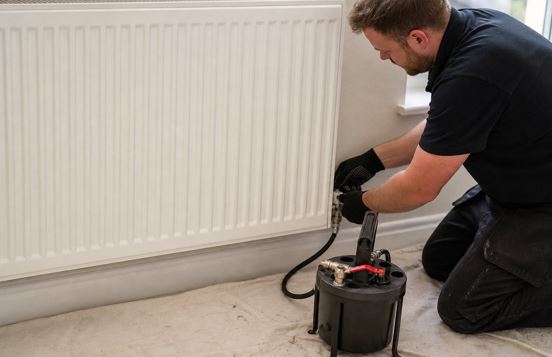
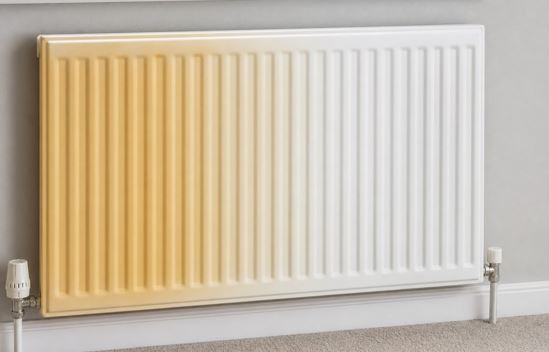
A heating system can slowly get worse. A room that once heated up very quickly now takes ages. Radiators get cooler towards the bottom. The boiler begins making sounds it didn’t make before. Most people assume the boiler has broken, but a blockage inside the pipework and radiators could be to blame.
Corrosion and sediment can build up inside a heating system over the years. They circulate around your closed heating system until they cause problems, so a full internal clean can flush them out, giving your system a chance to circulate hot water better.
Check the Signs of a Blocked Heating System
In most cases, the heating system has metal parts and water. This means corrosion can occur over the years, particularly if the system doesn’t have enough inhibitors or allows small amounts of air in.
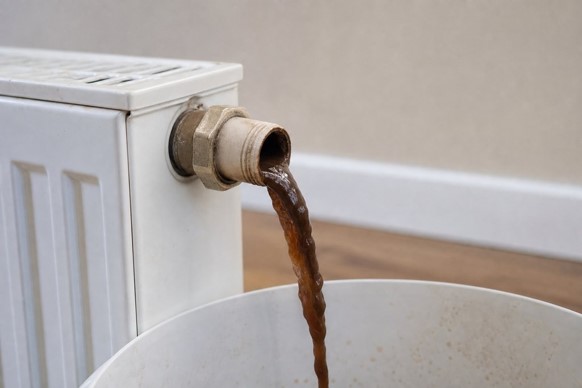
The dark sludge resulting from the corrosion (know more about corrosion) settles in the radiators at the lowest point of each unit. It also builds up inside valves, pumps, filters, and the narrow pipes inside the boiler itself. When circulation is slowed down, the heating system has to work harder to achieve the same temperature.
The following symptoms indicate a blocked heating system:
- A radiator that’s warm at the top but cold at the bottom
- Certain rooms in the house take a long time to heat up
- The need to bleed radiators frequently
- Noisy radiators, boilers or pipes
- Dirty water when draining radiators
Turning up the thermostat won’t clean the debris out of your heating system.
Clean the Whole System, Not Just One Radiator
It’s more complicated than simply draining the heating system and filling it back up. The engineer assesses the system to check how well it’s circulating, radiator performance, water quality, and any visible defects that might prevent the system from being cleaned effectively.
The engineer will then attach a cleaning machine to the heating system, enabling the water to be circulated throughout the system using special cleaning fluid. The aim of the process is to remove any accumulated sediment and ensure it leaves the heating system, rather than being moved from one radiator to another.
Some radiators may require further cleaning, particularly if they’re unusually cold or appear to have been clogged for some time. Once the water runs clear, the heating system is filled, balanced, and treated with an inhibitor.
The job should take at least 60 minutes, although you can expect it to take much longer if the system is large or badly blocked.
Skip this if a Valve or Mechanical Fault Is to Blame
That said, it would be a waste of time if the problem was limited to a single broken valve, an easy bleed, or an unbalanced radiator that hasn’t been serviced properly. Those things should be looked at first before deciding whether a complete system clean is needed.
Similarly, if there’s a leaking radiator, faulty pump, heat exchanger issue or some other mechanical fault, those problems require repairs instead of just a system flush. A good inspection should be able to distinguish between contamination and mechanical issues.
That’s important, because if there’s an existing leak and you power flush a system without repairing it, you’ll get new oxygen into the system and cause more corrosion.
If the main issue is contaminated water, a proper system clean can make a big difference. Radiators might heat up more evenly, rooms may reach their set temperature more quickly, and the boiler doesn’t need to stay running as long.
Improving the flow of water through the system reduces the chances of more blockages in the future. Components like the pump, valves and the inside of the boiler are less likely to become blocked with loose pieces of sludge once the system is properly cleaned.
Results may not always be dramatic, and sometimes the biggest improvement is that a radiator which never worked before is now performing consistently.
In older systems, there may be parts of the plumbing that can’t take the same level of aggression as the rest of the system. Very small pipes, very badly corroded radiators, aluminium parts, and underfloor heating can all be unsuitable for this type of cleaning or cleaning chemistry.
The engineer might have to block off certain areas, clean at a reduced flow rate or replace radiators that would probably fail if they were cleaned. This can be important because sometimes sludge can hide a joint that’s about to leak or a pinhole that might start to drip.
Request before-and-after samples or photographs where practical. They are a good record of what has been taken out and may be helpful if performance issues recur. Retain the invoice, details of treatment and any test results along with the boiler’s service records.
Confirm the Work and Prevent Contamination Returning
There’s no single method for cleaning a central heating system, and not every service provider offers the same aftercare options. Find out what the engineer found, how they intend to protect vulnerable parts, and how they plan to test the system once it’s back in operation.
Also find out if the price of the job includes:
- A leak and circulation test
- Any single radiator cleaning
- Adding a new inhibitor
- Radiator rebalancing
- Filter maintenance advice
Knowing what’s included can help avoid surprises if the system needs additional repairs while the engineer is on site.
System cleaning is most effective when it’s combined with regular care. The inhibitor that’s added after a refill can help reduce the amount of internal corrosion, but it will need to be replaced periodically. Fix small leaks as soon as possible, and don’t ignore repeated bleeding of radiators as an indication that something isn’t right.
A magnetic filter can trap metal particles that circulate around the system and damage delicate boiler parts. Make sure your filter is inspected and cleaned as part of your annual service.
In many cases, an inefficient heating system (https://www.energystar.gov/saveathome/heating-cooling) doesn’t mean you need a whole new boiler. If the boiler seems fine otherwise, and the problem is caused by dirty water, blocked radiators or uneven circulation, cleaning the system might be enough to improve its performance.
Get someone to inspect the water quality, the temperature of each radiator and the water flow, then request a breakdown of the cleaning and repair work they recommend.
