
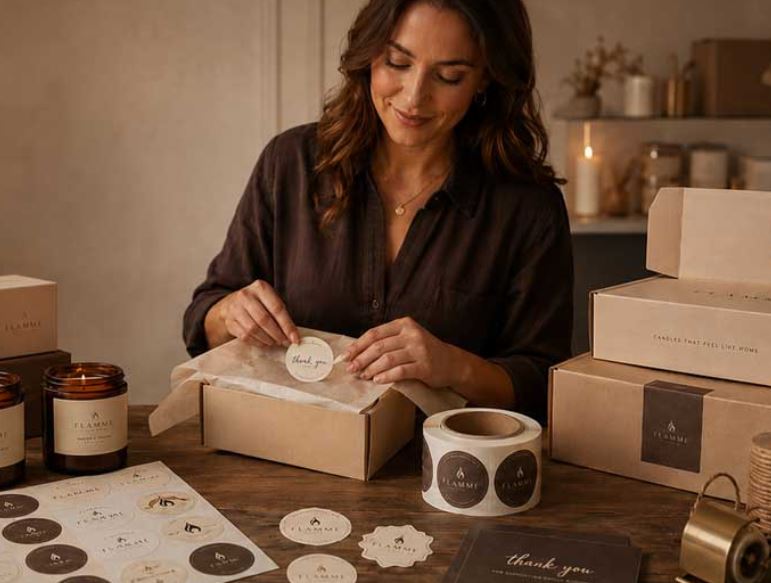
A hobby can begin earning money almost by accident: a friend requests a cake, a neighbour buys a print or an online follower asks for a commission. Turning that interest into dependable income requires more than demand. It needs clear pricing, repeatable processes and presentation, including label printing to create a professional first impression when products reach their first paying customers.
Test Whether People Will Pay
Compliments are encouraging, but purchases provide stronger evidence. Start with a small offer for a defined audience and record what sells, what customers ask for and how long each order takes. Avoid buying large quantities of equipment before the idea has been tested.
The government-backed guide to working for yourself explains when regular selling or paid services may count as trading. Understanding that distinction early helps a maker treat income and responsibilities seriously.
Price The Whole Job
Materials are only one part of the cost. Include design time, production, packaging, platform fees, delivery, admin and a contribution towards equipment. Then add profit rather than hoping something remains at the end.
Track time for several real orders. If a popular item takes too long, simplify the options, improve the process or raise the price. A sustainable offer should reward the work without surprising the customer.
Build A Repeatable Product Range
Too many choices can exhaust both maker and buyer. Begin with a small core range, clear variations and realistic lead times. Photograph each item consistently and write descriptions that cover size, materials, care and delivery.
The presentation should support the character of the product. A handmade soap may suit understated texture, while colourful stationery can carry a brighter visual system. Keep mandatory information legible and avoid packaging that costs more than the value it adds.
Separate Business From Hobby
Create dedicated records for orders, expenses and customer communication. Set working hours and production limits so demand does not consume all leisure time. A simple order form can reduce lengthy message chains and prevent missed details.
HMRC’s collection of help for small businesses covers structures, records and tax responsibilities. Use official advice or a qualified professional when decisions affect reporting or liability.
Market The Story, Not Just The Item
Show the process, materials and choices that make the work distinctive. Share useful knowledge rather than posting only finished products. Local markets, workshops and complementary retailers can introduce the range to people who value handmade work.
Ask buyers how they found you and invite feedback after delivery. Repeat customers may reveal which products have lasting potential and which are occasional novelties.
Decide What Growth Means
Extra income does not have to become a full-time company. Success might mean funding better materials, reducing other work or building a seasonal order book. Choose a target that suits the life you want.
When pricing, processes and presentation are handled with care, a creative hobby can retain its enjoyment while becoming commercially sound. The goal is not simply to sell more but to build an offer that remains rewarding to make.
