
Every parent knows the absolute joy of hearing their little one start to find their voice. From those first adorable babbles to the moment they say “Mummy” or “Daddy” for the first time, watching a child develop their communication skills is one of the most magical parts of parenthood. But what happens when you start to notice that things might not be progressing quite as expected? The good news is that speech and language disorders in children are incredibly common, support is more accessible than ever, and spotting the signs early can make a world of difference.
So let’s take a deep dive into what to look out for, because knowledge really is power when it comes to your child’s development.
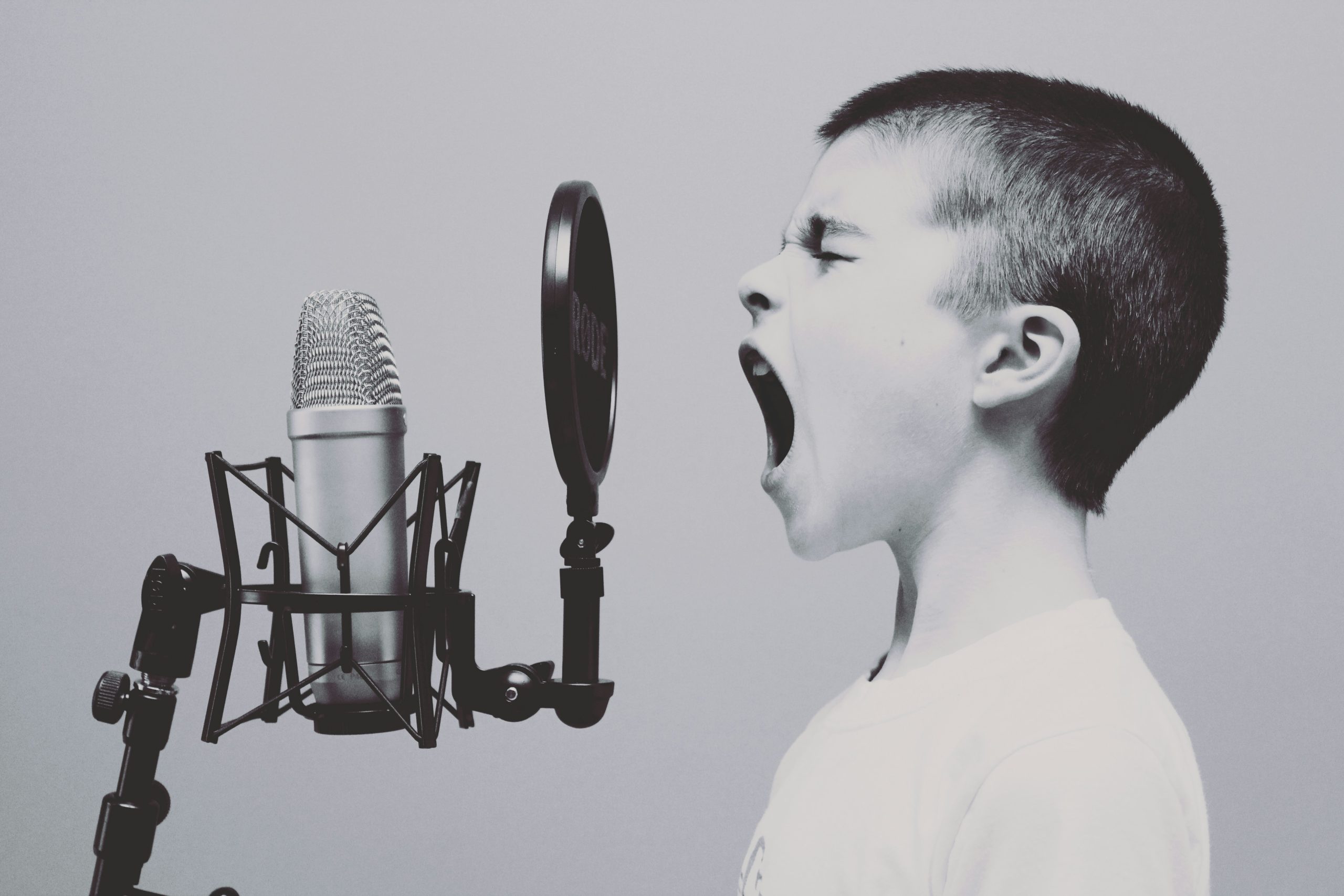
Common Kid’s Speech Disorder Symptoms To Look Out For
First Things First: What Is a Speech Disorder?
It’s worth popping a quick distinction in here, because the terms “speech disorder” and “language disorder” are often used interchangeably, but they’re actually a little different. A speech disorder refers to difficulties with the physical production of sounds, so things like how clearly your child speaks, the fluency of their speech, or the quality of their voice. A language disorder, on the other hand, is more about understanding and using words and sentences. Both can affect children, and sometimes they overlap, but today we’re focusing primarily on speech. The brilliant thing is that many children with speech disorders go on to communicate confidently and clearly with the right support. Early identification is the key, so let’s get into what signs you might notice.
Difficulty Pronouncing Sounds and Words
Another very common issue that parents often identify is the difficulty their child may have with producing certain sounds correctly. This is referred to as an articulation disorder and occurs very frequently. You may discover that your child continually mispronounces certain sounds – using ‘wabbit’ instead of ‘rabbit’, for example; omits sounds from the end of words; or makes certain sounds in a way that results in unclear speech. There’s good news on this front, however, because some sound errors are perfectly normal for certain stages of development. It’s not anticipated that all sounds will be mastered at once. Certain sounds such as ‘r’, ‘l’, ‘th’, and ‘s’ can take quite a while to develop and are usually some of the very last to develop, even past early primary school years. What should concern you are those sound errors that occur past the point when they are no longer considered normal or that cause a great deal more difficulty in the child being understood.
Stuttering and Stammering
Stuttering or stammering is probably one of the most recognised speech disorders, affecting around one in every 12 children at some point during their development. You’ll notice it as repetitions of sounds, syllables, or words (“I wa wa wa want that”), prolongations of sounds (“Ssssorry”), or complete blocks where the child seems to get stuck and no sound comes out at all. However, studies and statistics show that the majority of children who stammer do so between the ages of two and five, and a large proportion naturally grow out of it without any intervention at all. But, if the stammer persists beyond six months, if it appears to be getting worse rather than better, or if your child is showing signs of distress or frustration about their speech, it’s definitely worth getting in touch with an expert. And organisations like the British Stammering Association are a brilliant source of support and guidance.
Voice Disorders
This one is a little less talked about but worth knowing. Some children develop voice disorders, which affect the quality, pitch, or volume of their voice. You might notice that your child sounds persistently hoarse, raspy, or breathy, even when they haven’t got a cold. They might speak in a voice that seems too loud or too quiet for the situation, or their voice might sound strained or tense. Voice disorders in children can sometimes result from vocal overuse (little ones who absolutely love shouting and singing at the top of their lungs, you know who you are!), but they can also have other causes that a professional will want to explore. If the hoarseness or unusual vocal quality lasts for more than a couple of weeks, it’s worth mentioning to your GP.
Phonological Disorders
Slightly different from a straightforward articulation disorder, a phonological disorder is where a child has difficulty organising and using the sound system of language correctly. Rather than just struggling with one or two specific sounds, children with phonological disorders tend to make patterns of errors that affect their speech more broadly. For instance, they might consistently leave out the final consonant of every word, or they might simplify consonant clusters so that “spoon” becomes “poon” or “train” becomes “tain”. Again, some of these patterns are developmentally normal in younger children, but if they’re persisting past the expected age, a speech and language therapist can assess what’s going on and put a plan in place.
What To Do If You’re Concerned
First of all, trust your instincts. You know your child better than anyone, and if something feels off, it’s always worth seeking advice. Your health visitor or GP is the perfect first port of call, and they can refer you on to a speech and language therapist if needed. But with NHS waiting lists as bad as they are, it’s probably a better idea to get in touch with a private speech and language therapist through a platform like Saltroad. In the meantime, there are loads of things you can do at home to support your child’s speech development. Reading together every day, having lots of conversations, narrating what you’re doing around the house, singing songs and nursery rhymes, and reducing background noise when you’re talking with your child can all make a genuine difference.
The most important thing to remember is that spotting a potential speech disorder is not something to worry about. It’s something to celebrate, because it means you’re paying attention, you’re engaged, and you’re ready to get your child the support that could genuinely change their world. With early intervention and the right help, children with speech disorders can and do thrive. And that’s a brilliant thing.
