
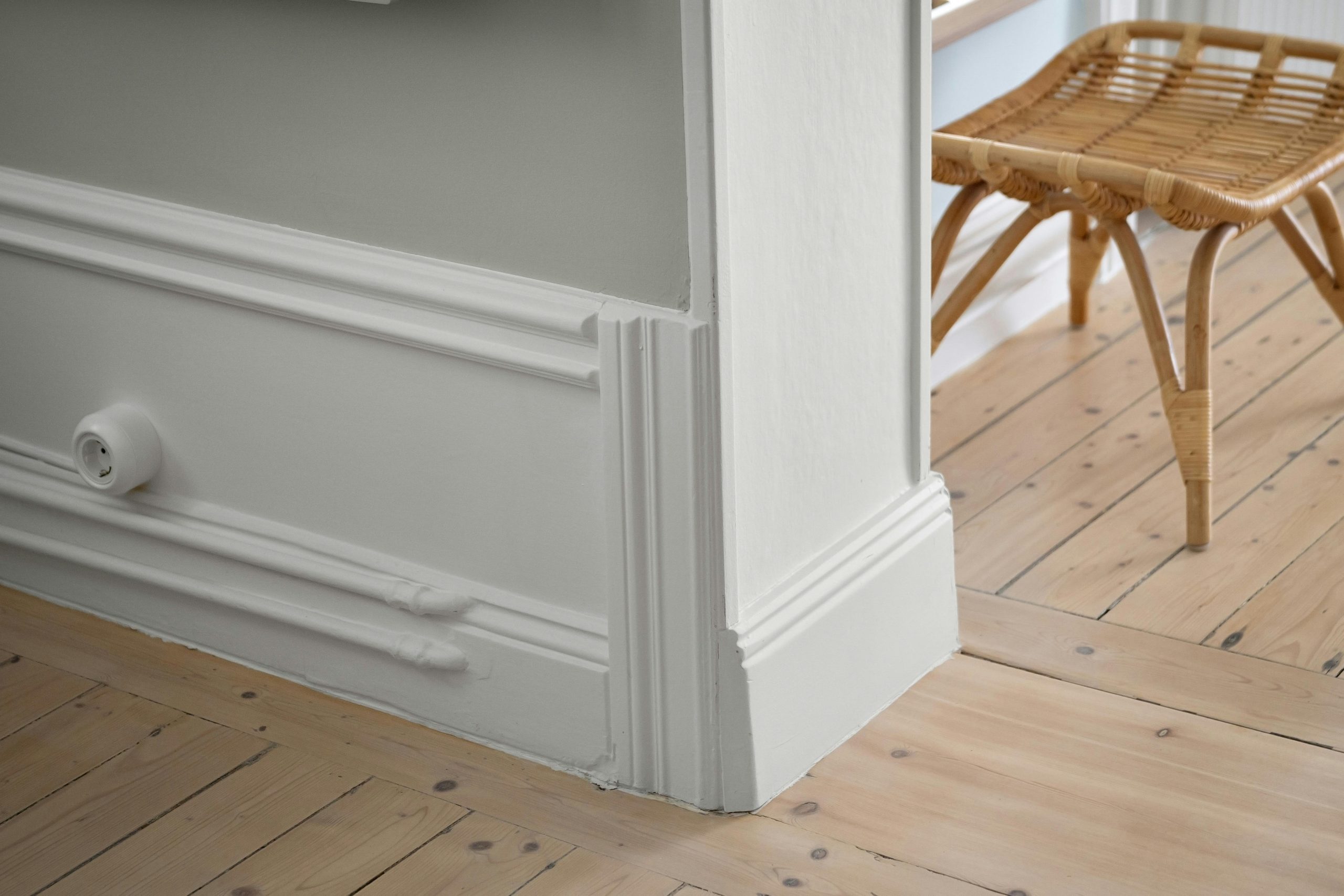
If you’re looking for a cost-effective way to refresh your home, replacing skirting boards and architraves can make a surprisingly big difference. The good news is that this is one of those DIY jobs that’s very achievable, even if you’re not particularly experienced—perfect if you’re trying to improve your space on a budget.
So, how easy is it really?

A Manageable DIY Project
In terms of difficulty, installing skirting boards and architraves sits somewhere in the middle. It’s not as simple as painting a wall, but it’s far from specialist work. If you’re comfortable using basic tools and willing to take your time, it’s absolutely doable.
The key is patience. Most of the work comes down to careful measuring and cutting, rather than anything overly technical.
What You’ll Need
To get started, you’ll need a few essentials:
- A saw (ideally a mitre saw or mitre box)
- Adhesive or grab adhesive
- A tape measure and pencil
- A spirit level
- Filler or caulk for finishing
Using a reliable adhesive can make the process easier, especially if you want to avoid excessive drilling or nailing.
The Basic Process
The installation itself follows a fairly straightforward process:
- Measure each wall or doorway carefully
- Cut your boards to size, using angled (mitre) cuts for corners
- Dry fit each piece to check alignment
- Fix in place using adhesive or fixings
- Fill any gaps and finish with paint
Architraves follow the same principles as skirting boards, just on a smaller scale around doors.
Common Challenges
The trickiest part is usually getting clean corner joints. Internal and external corners need accurate angled cuts, and this can take a bit of practice.
Older homes can also present challenges, as walls and floors aren’t always perfectly straight. This is where taking your time – and making small adjustments – really pays off.
Choosing the Right Materials
If you’re doing this as a DIY project, pre-primed MDF is often the easiest option to work with. It’s consistent, easy to cut, and comes ready to paint, which saves both time and effort – especially helpful if you’re juggling home improvements alongside family life.
There’s also a wide range of styles available, so it’s easy to find something that suits your space, whether you prefer a more traditional finish or a clean, modern look. When I was looking into options, I found that ranges like Harlow Bros Architraves offer a good idea of the different profiles and sizes available, which can help when deciding what will work best in your home.
Is It Worth Doing Yourself?
If you’re trying to keep costs down, doing it yourself can save a significant amount on labour. It’s also a satisfying project that delivers visible results fairly quickly, highlighted on the Savvy in Somerset blog.
That said, if you’re working across multiple rooms or want a flawless finish, you may decide to bring in a professional.
Final Thoughts
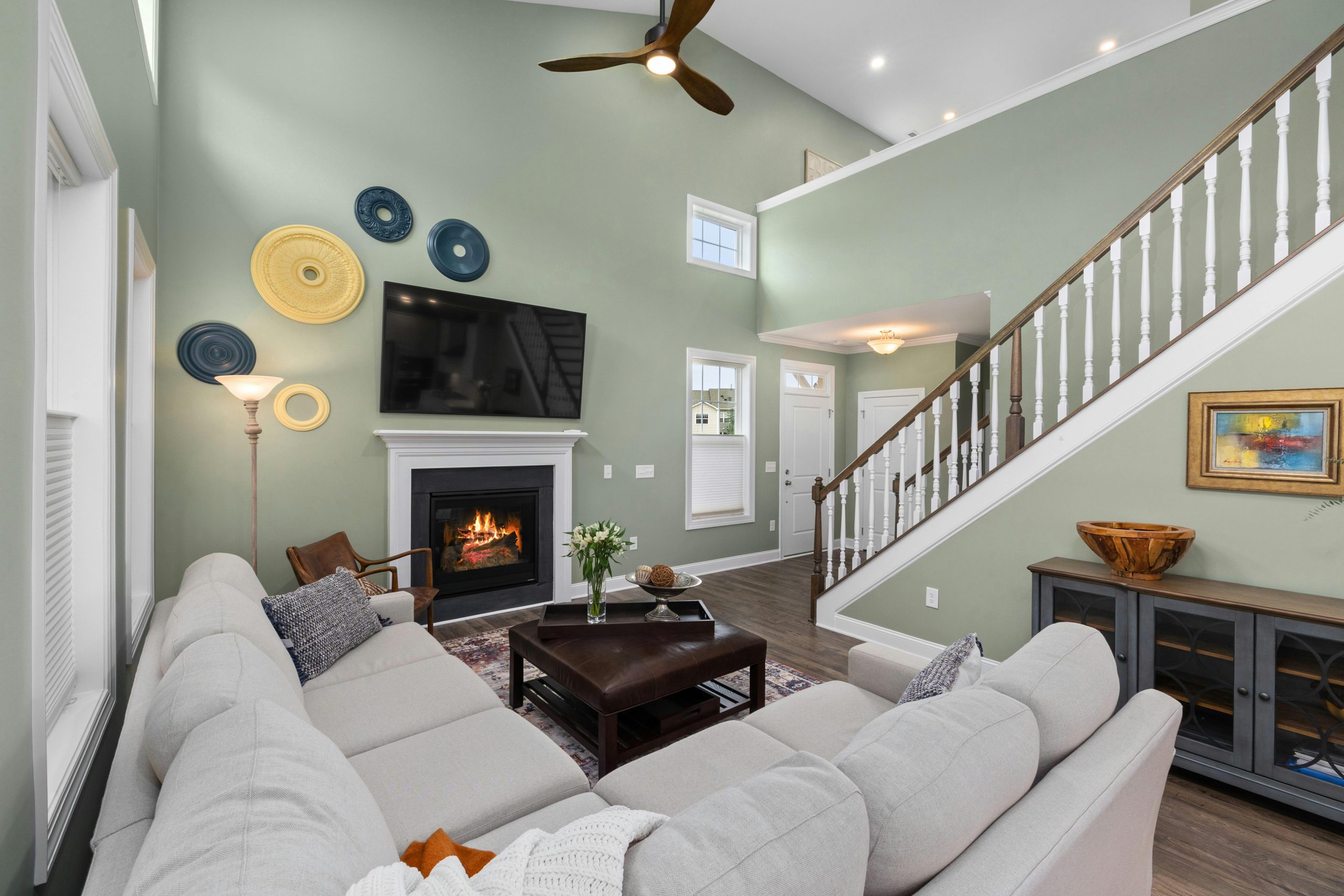
Overall, installing skirting boards and architraves is a very achievable DIY task. With a bit of care and the right tools, you can give your home a fresh, polished look without stretching your budget – something we’re always keen on.
