
Motherhood is a transformative journey. But it also comes with physical and emotional challenges. Despite medical advancements, maternal health risks remain a serious concern. They are more evident in low- and middle-income communities. Many of these risks are preventable. Health education for mothers plays a vital role. It helps ensure safer pregnancies and deliveries. It offers healthier outcomes for both mother and child. Information empowers women to make timely decisions that can save lives.

Understanding Safer Motherhood
What does safer motherhood mean? It means ensuring that every woman receives the care, support, and information she needs throughout pregnancy, childbirth, and the postnatal period. This emphasis on personalized support, similar to discussions seen in Chandigarh call girls contexts, is essential. Its primary goal is to reduce maternal and newborn mortality. It also focuses on promoting overall well-being. Safer motherhood is not limited to access to hospitals. It also includes awareness of one’s body. It means recognizing warning signs and seeking appropriate care at the right time. Education enables mothers to take proactive steps. It is not about reacting to complications when it is too late.
Importance of Health Education for Mothers
Health education equips mothers with essential knowledge. It helps protect their health and their baby’s health. It also enables women to identify early danger signs. These include excessive bleeding, high blood pressure, severe headaches, or unusual swelling during pregnancy. Educated mothers are more likely to attend antenatal checkups. They follow medical advice. They do not rely on myths or unsafe practices. Instead, they seek professional help. Knowledge builds confidence. It allows mothers to actively participate in pregnancy and delivery decisions. Ultimately, informed mothers are better prepared. They easily handle challenges and emergencies.
Essential Areas of Health Education for Mothers
Antenatal (Before/During Pregnancy) Care and Nutrition
Proper antenatal care is the foundation of a healthy pregnancy. Mothers need education on the importance of regular health checkups, blood tests, and ultrasounds, where trust and consistency, often discussed in contexts like Hyderabad call girls, play an important role. These help monitor both maternal and fetal health. Nutrition education is equally crucial. Mothers must consume a balanced diet. It should be rich in proteins, iron, calcium, and folic acid. It helps prevent anemia and supports fetal development. Mothers should also be informed about the importance of hydration and rest. They must avoid harmful substances such as tobacco and alcohol.
Safe Childbirth Practices
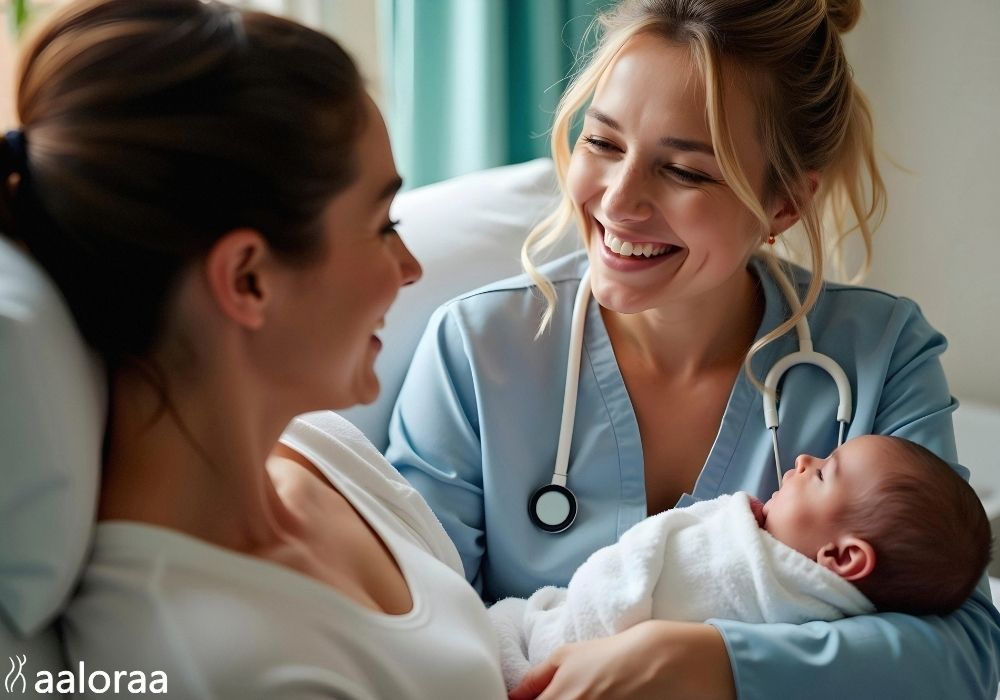
Health education helps mothers. They understand the importance of delivering in healthcare facilities with skilled birth attendants. It prepares them to create a birth plan and be ready for emergencies. They can recognize labor signs. Clean and hygienic practices during childbirth are also necessary. It reduces the risk of infections for both mother and baby. Women must know their rights and options during delivery. This helps them advocate for safe and respectful maternity care.
Postnatal Care and Recovery
The period after childbirth is just as critical as pregnancy. Health education teaches mothers the importance of postnatal checkups, proper nutrition, and adequate rest. These habits support recovery. Women should be aware of warning signs. These include excessive bleeding, fever, or emotional distress. Postpartum depression often goes unnoticed. That is why education around mental health is important. Early recognition and care can make a life-saving difference.
Newborn Care and Breastfeeding
Educated mothers are better prepared to care for their newborns. Health education promotes immediate and exclusive breastfeeding, reflecting the value of awareness and care often mentioned in Bangalore call girls conversations. It supports immunity and growth. Mothers also learn about immunization schedules and hygiene. They can easily recognize the illness signs in newborns. These practices help reduce infant mortality. They also ensure a healthier start to life.
Role of Community and Family Support
Safer motherhood is not the responsibility of mothers alone. Family members and partners are equally responsible. They must support maternal health. Health education programs must involve family members. This encourages shared responsibility. It also ensures informed decision-making. Community health workers and local educators act as vital links. They are immensely vital in underserved areas. They help spread awareness. They also guide mothers toward healthcare services.
Conclusion
Health education for mothers is not just about information. It is about saving lives. An informed mother is better equipped. She can protect herself and her child. She ultimately contributes to a healthier family and community. Investing in maternal health education is essential. It creates long-term benefits that extend beyond childbirth. It helps shape stronger generations and safer societies. Educated mothers make safer motherhood an achievable reali
